
black round bathroom mirror with light
Check valve, also known as non-return valve, single flow valve, one-way valve or backstop valve, its main role is to ensure that the medium in the pipeline directional flow without the function of backflow. This article will introduce the working principle of slow-closing muffler check valve. First, the use of water pressure regulation Slow-closing muffler check valve inside the main two water chamber composition, the diaphragm under the water chamber of the cut-off port is the water channel, (cut-off port to open the largest area close to the pipe diameter area), the diaphragm on the water chamber is the pressure regulator room, generally when the pump stops working, due to the valve flap of the self-pressure and the pressure on the water chamber, the lower chamber cut-off will be closed off quickly 90% of the remaining 10% need to use the conduit to the valve after pressure Passed to the upper water cavity, with the outlet pressure in the upper water cavity continues to increase, the cut-off port will slowly close the remaining 10%, so the slow-closing muffler check valve can play the role of slow-closing muffler. Control valve Slow-closing muffler check valve in use needle valve counterclockwise rotation 2 ½ turns, the control valve open 1/2 turn can be opened, if you find the phenomenon of water hammer, can be slightly adjusted to close the small control valve, and then counterclockwise fine-tuning to open the large needle valve, so that the phenomenon of water hammer is gradually eliminated. When the valve begins to feed water from the inlet side, the water flow will pass through the needle valve and finally enter the main valve control room, the outlet pressure will be applied to the pilot valve through the action of the conduit. When the resulting outlet pressure is finally higher than the pilot valve spring setting, the pilot valve closes. When the control chamber stops draining, the pressure in the main valve control chamber rises and closes the main valve, at which point the outlet pressure no longer rises. The above is the introduction of the slow-closing muffler check valve working principle of the problem.
about
black round bathroom mirror with light
Understanding Thread Gauges Essential Tools for Precision Engineering In the world of precision engineering, ensuring that threaded components fit together correctly is crucial for the integrity and functionality of various machines and structures. Thread gauges are essential tools used to measure and inspect the dimensions and quality of threads in these components. This article aims to provide a comprehensive overview of thread gauges, their types, uses, and importance in engineering and manufacturing processes. What Are Thread Gauges? Thread gauges are specialized instruments designed to measure the pitch, diameter, and profile of screw threads. They help engineers and machinists confirm that the threads of a component meet specified tolerances and standards. Accurate measurement is vital as improperly machined threads can lead to assembly failures, leaks, or even catastrophic failures in critical applications. Types of Thread Gauges Thread gauges come in several types, each serving a unique purpose in thread inspection 1. Go/No-Go Gauges These are perhaps the most common type of thread gauge. They consist of two gauges – a Go gauge that represents the minimum acceptable limit, and a No-Go gauge that represents the maximum acceptable limit. When inspecting a threaded component, the Go gauge should fit easily, while the No-Go gauge should not fit at all. This binary check ensures that the threads are within acceptable tolerances. 2. Thread Pitch Gauges These gauges are used to determine the pitch of a thread, which is the distance between threads. They often come in the form of a small tool with various blades, each marked with a specific pitch. By matching the thread with one of the blades, an operator can quickly ascertain the pitch of the thread under investigation. 3. Thread Calipers These are used for more precise measurements. Thread calipers measure the major and minor diameters of the threaded component and can provide detailed information on the thread profile. They are indispensable for more complex inspection processes where exact measurements are critical. 4. Custom Gauges For specific applications or unique threading requirements, custom gauges can be created. These might combine features of the standard gauges or be tailored to specific dimensions or tolerances . thread gauges Importance of Thread Gauges The use of thread gauges in manufacturing and engineering cannot be overstated. Here are some of the critical reasons these tools are indispensable 1. Quality Assurance Regular use of thread gauges during production ensures that threaded components consistently meet quality standards. This reduces the likelihood of defects that could result in product failure. 2. Cost Efficiency By ensuring that threads are manufactured to specification from the beginning, companies can save on costs associated with rework, returns, and scrapped materials. 3. Safety Many applications, particularly in the aerospace, automotive, and construction industries, rely on the integrity of threaded components. Ensuring proper threading can prevent accidents and failures that might have severe consequences. 4. Compliance with Standards Different industries have established standards for thread dimensions and tolerances. Thread gauges help manufacturers ensure compliance with these standards, which is often necessary for certification and regulatory purposes. 5. Versatility Thread gauges are used in various industries, including manufacturing, aerospace, automotive, and construction. Their versatility makes them essential for anyone working with threaded components. Conclusion Thread gauges are critical tools in precision engineering, ensuring that threaded components fit and function as intended. With various types available, each serving a specific purpose, manufacturers can maintain high-quality standards, improve safety, and reduce costs. In a landscape where precision is paramount, the proper use of thread gauges is not just beneficial; it is necessary for achieving excellence in engineering and manufacturing practices. As technology evolves, the importance of these tools remains steadfast, underscoring their role in creating reliable and safe products.
-

High quality industrial productsagement

High quality industrial products
View Details -

Meet the diverse needs of customers

Meet the diverse needs of customers
View Details -

Strict quality control

Strict quality control
View Details -

Top raw materials

Top raw materials
View Details -

Trusted supplier

Trusted supplier
View Details
Our application
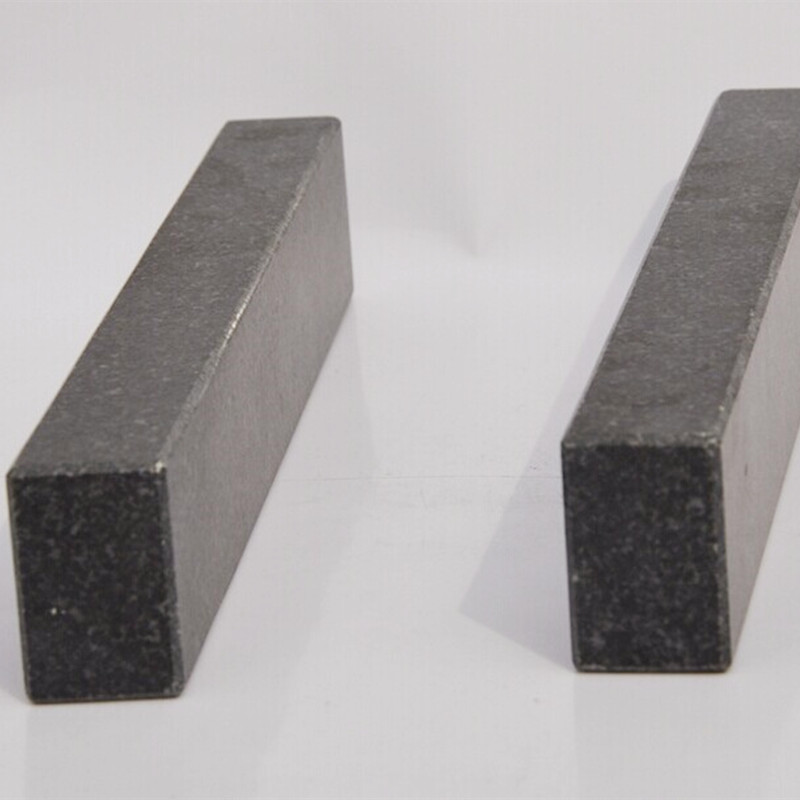
news and information

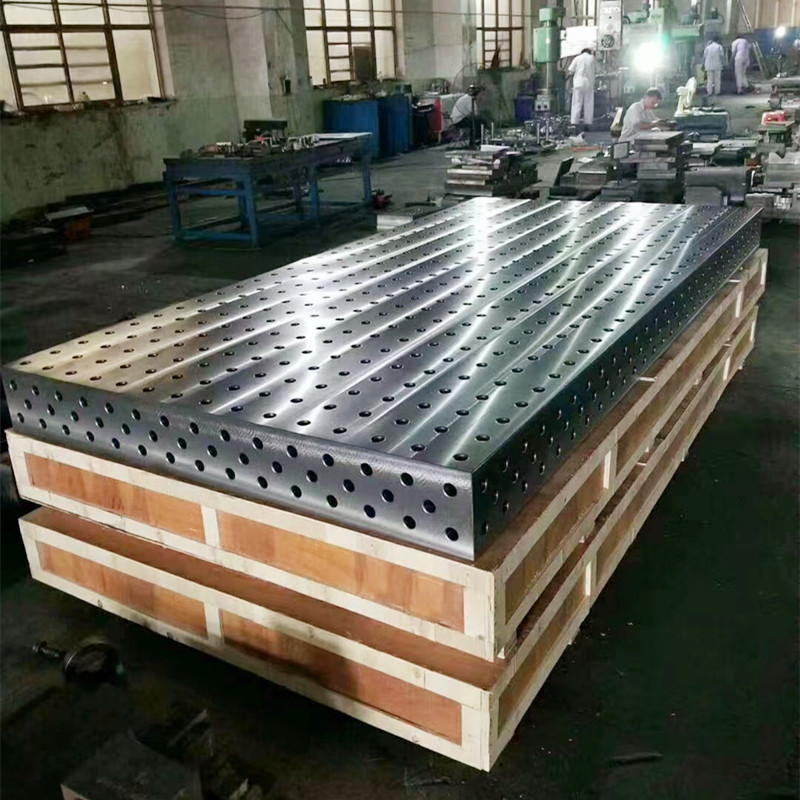
Using Cast Surfaces for Precision Plate Fabrication and Measurement Techniques
The Importance of Cast Surface Plates in Precision Manufacturing In the realm of precision manufactu
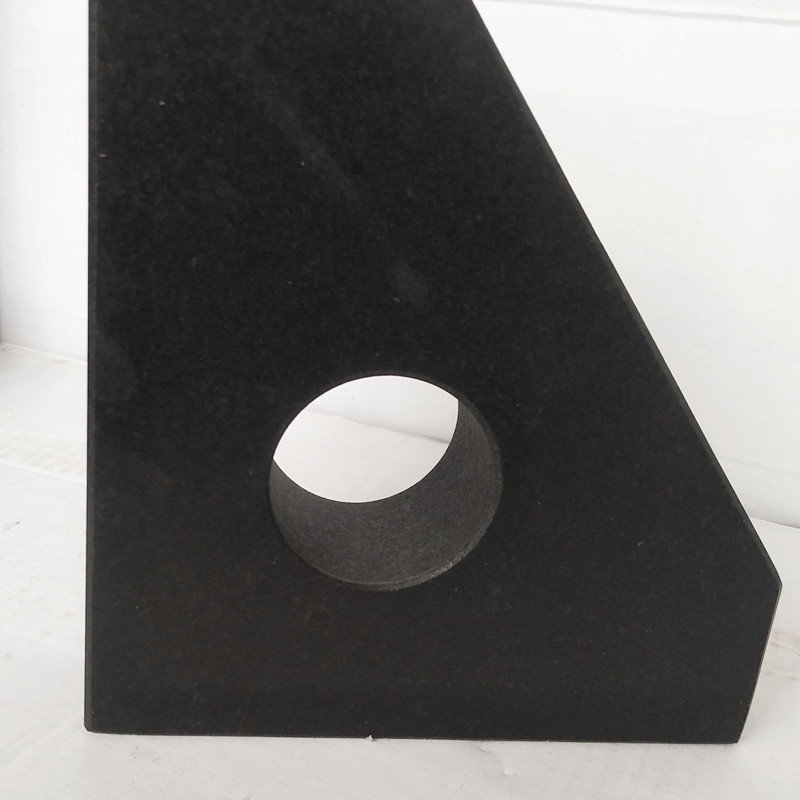
Welding Tables_ The Essential Tool for Precision and Durability
A welding table is a must-have for anyone involved in metalworking or fabrication. When it comes to
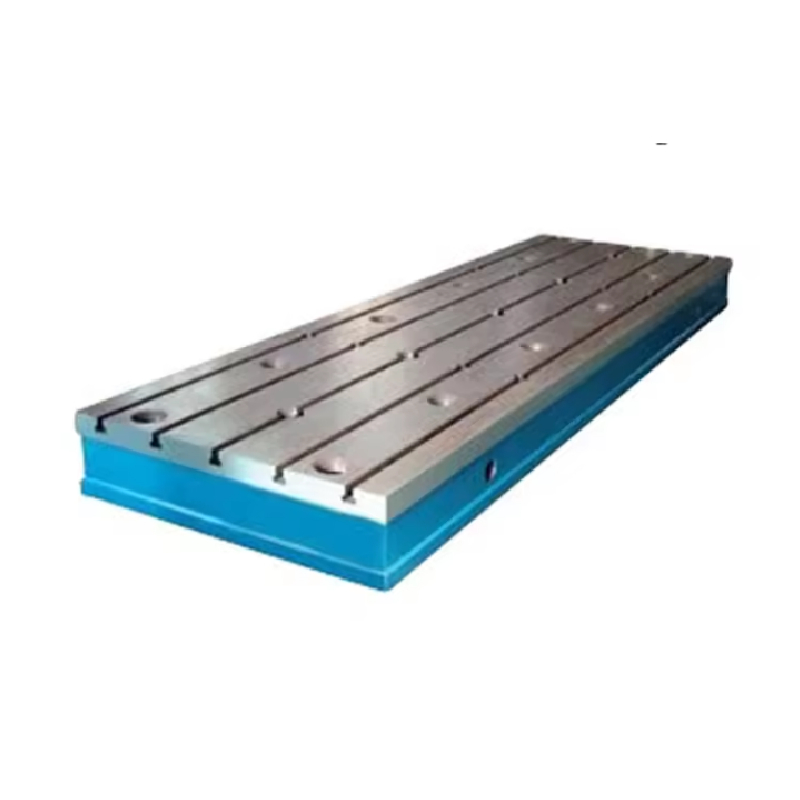
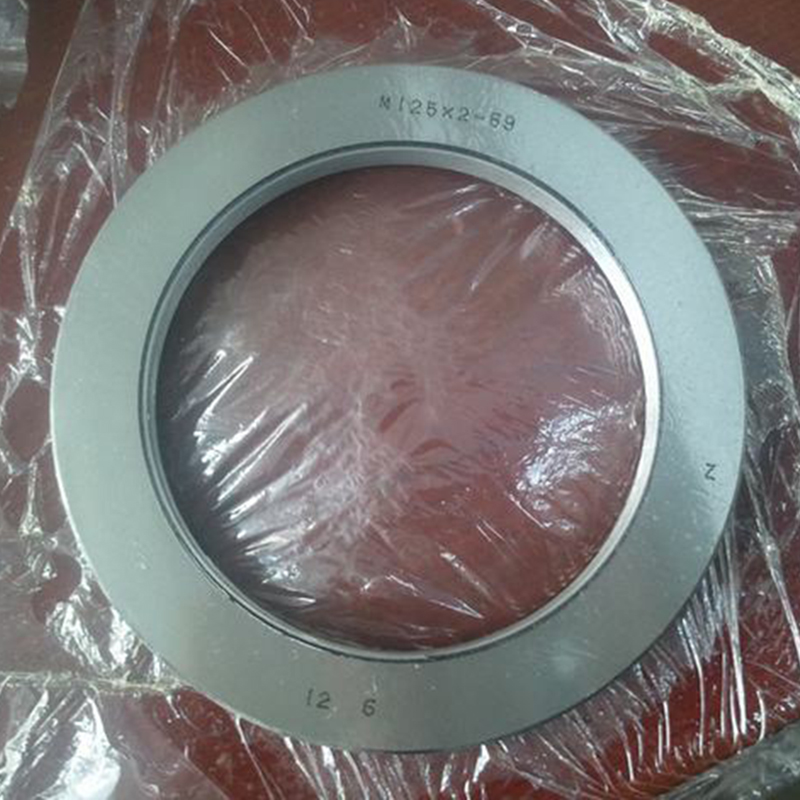
Vendita di gauge a spina di alta qualità disponibile online
Misuratori a Pugno in Vendita La Scelta Ideale per Ogni Professionista I misuratori a pugno, noti an
 English